

Projects

How does developmental immunity guide organ formation?
Macrophages seed developing organs well before the adaptive immune system forms. They do far more than defend the tissue: they clear dying cells, remodel the surrounding environment, and send signals that shape how epithelial tissues grow. We study these macrophages in the developing salivary gland and airway to learn how immune cells direct how organs form and function.
Understanding how developmental immunity shapes organ formation will help explain how glands and airways regenerate after injury and how early immune disruption can lead to disease later in life.
The project is supported by the National Institute of Dental and Craniofacial Research and the American Lung Association.

How do rare cell types contribute to development and regeneration?
Ionocytes make up only a small fraction of the cells in an epithelium, but they express most of the tissue's CFTR, the chloride channel that is defective in cystic fibrosis. These cells control the salt and water content of the fluids that glands and airways secrete. We study how ionocytes are specified in developing glands, how they arise from their precursors, and what the tissue loses without them. We are also investigating how ionocytes respond to radiation damage, which causes lasting salivary gland dysfunction in patients treated for head and neck cancer.
Understanding how rare cell types are built and maintained will help us understand why exocrine glands fail in cystic fibrosis and after radiation therapy, and how to restore their function.
This project is supported by the Cystic Fibrosis Foundation and the National Heart, Lung, and Blood Institute.
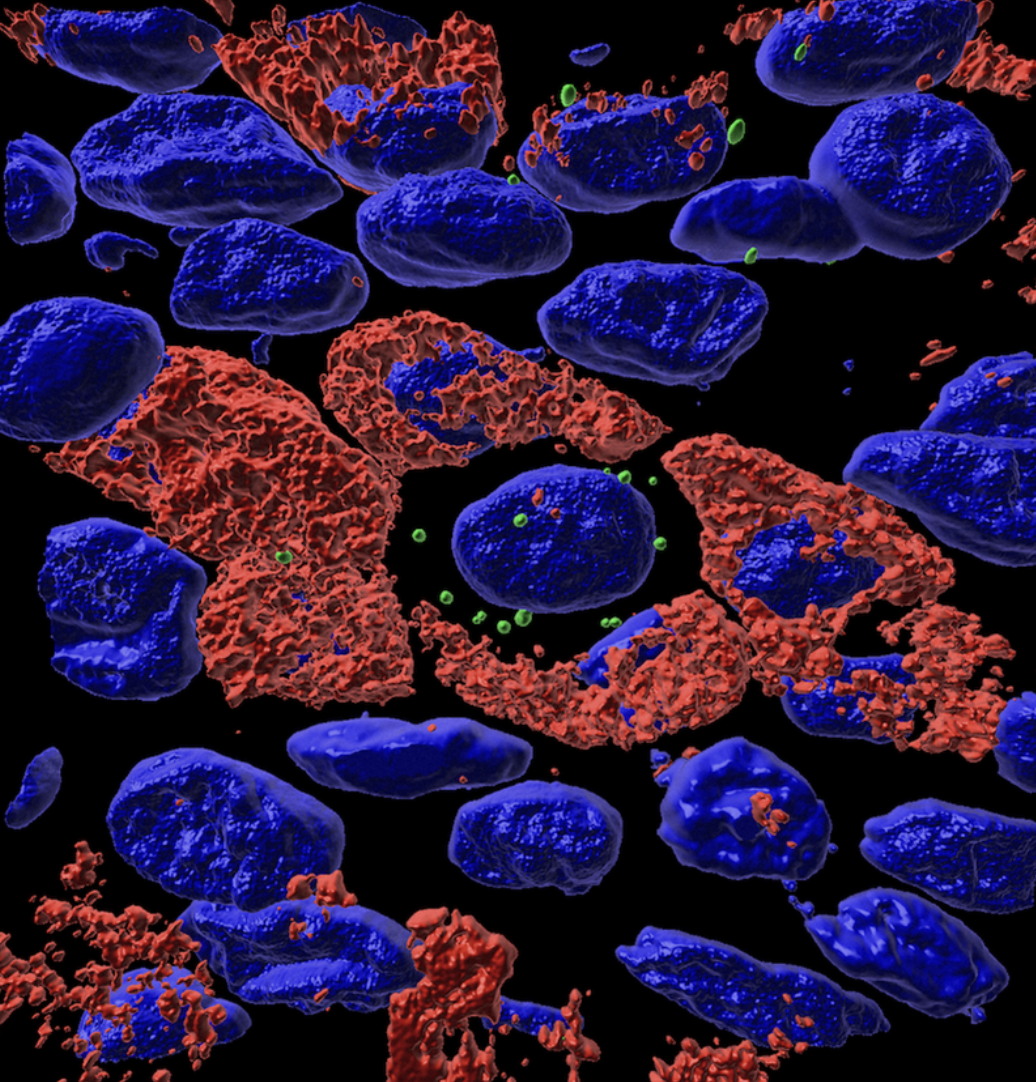
How do signaling and transcriptional networks specify epithelial progenitor fate?
Epithelial organogenesis depends on progenitor populations that balance proliferation with lineage commitment to generate the full complement of differentiated cell types. These fate decisions are governed by interacting layers of regulation: extrinsic signaling cues and cell-intrinsic transcriptional programs. We investigate how morphogen pathways intersect with lineage-determining transcription factors to control progenitor behavior, identity and lineage potential in developing epithelia.
Defining the signaling and transcriptional logic of progenitor fate choice will reveal how exocrine organs acquire their cellular diversity during development and how these programs can be reactivated to drive regeneration after injury.
The project is supported by the National Institute of Dental and Craniofacial Research and the Icahn School of Medicine at Mount Sinai.